Our islands run on a deep respect for the resources that sustain them. From expanding solar power to reusing greywater and reducing diesel, we’re redesigning the way our resorts generate, store, and use essential resources. These shifts make our operations more resilient, reduce our environmental impact, and help protect the delicate ecosystems of the Maldives.

Each resort contributes to the group’s total clean-energy output through individually designed solar systems. This decentralised approach strengthens resilience and reduces each island’s footprint.
The breakdown highlights how each island contributes to the group’s renewable energy mix:
OSL–OXA
OSS
AKM
OLM
VBA
ORB
ONHbS
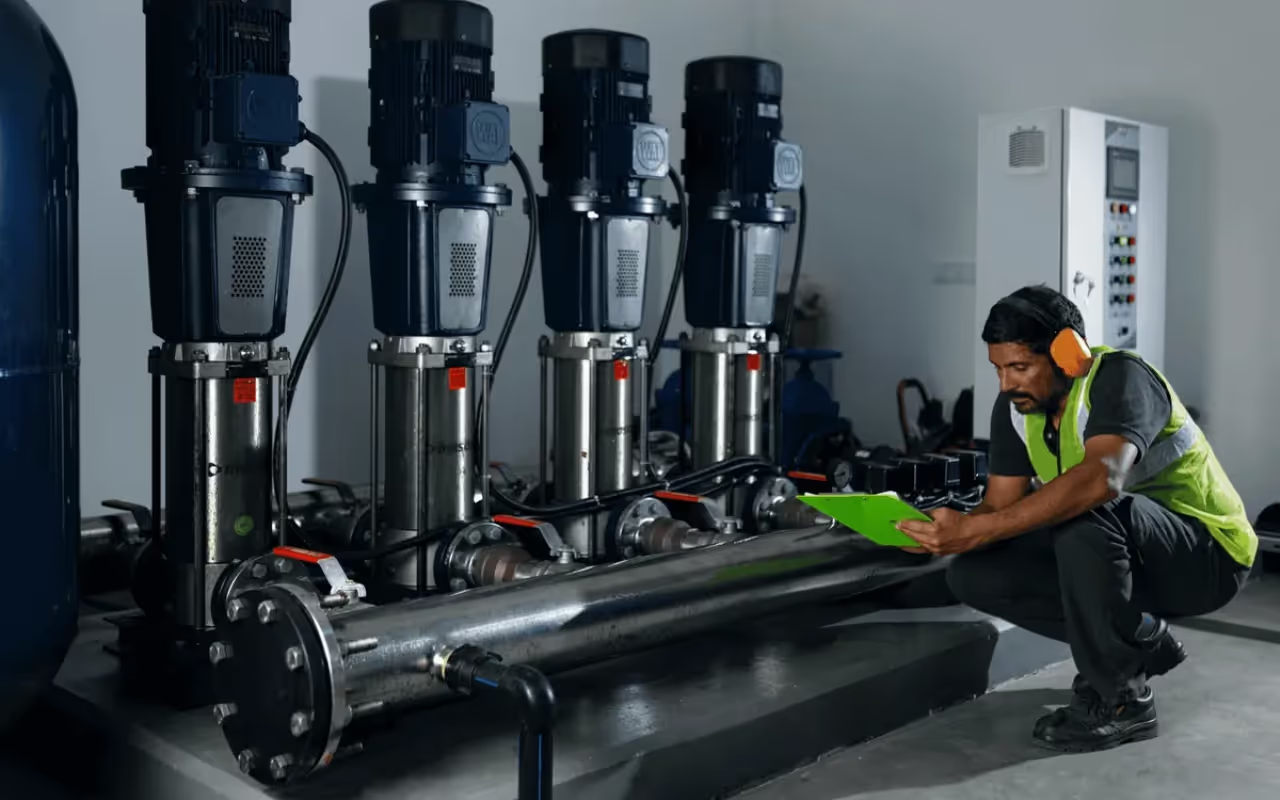
Freshwater availability remains one of the Maldives’ most critical resource challenges. All Atmosphere Core resorts rely on desalination plants to produce potable water, supported by water efficiency measures and reuse systems.
Each resort operates a glass bottling plant, reducing the need for imported bottled water and associated plastic waste. Low-flow fixtures, dual-flush systems, leak detection protocols and staff awareness programmes are standard across properties.
Treated wastewater is reused for irrigation and landscaping, reducing freshwater demand and supporting island vegetation.
In 2026, water data is reviewed across all operational resorts, with performance tracked per occupied villa to provide a consistent efficiency indicator year on year.

Across our islands, solar energy is being integrated into daily operations, strengthening energy resilience while easing reliance on conventional fuels. With rooftop panels, floating platforms, and smart integration with our existing systems, we are reducing diesel use, lowering emissions, and moving steadily toward a cleaner future.
These indicators highlight the momentum building across our islands:
Solar energy generated (2025)
Diesel avoided through solar
CO₂ emissions reduced
of total energy mix generated through solar

Across all resorts, we are transitioning to energy-efficient lighting, smarter AC systems, insulation improvements, and resource-monitoring technology. These upgrades reduce consumption while making our operations more reliable and cost-effective.
Every litre of diesel avoided represents fewer emissions, cleaner air, and a more sustainable future. Solar expansion and energy-efficiency improvements work together to steadily reduce diesel consumption year after year.
