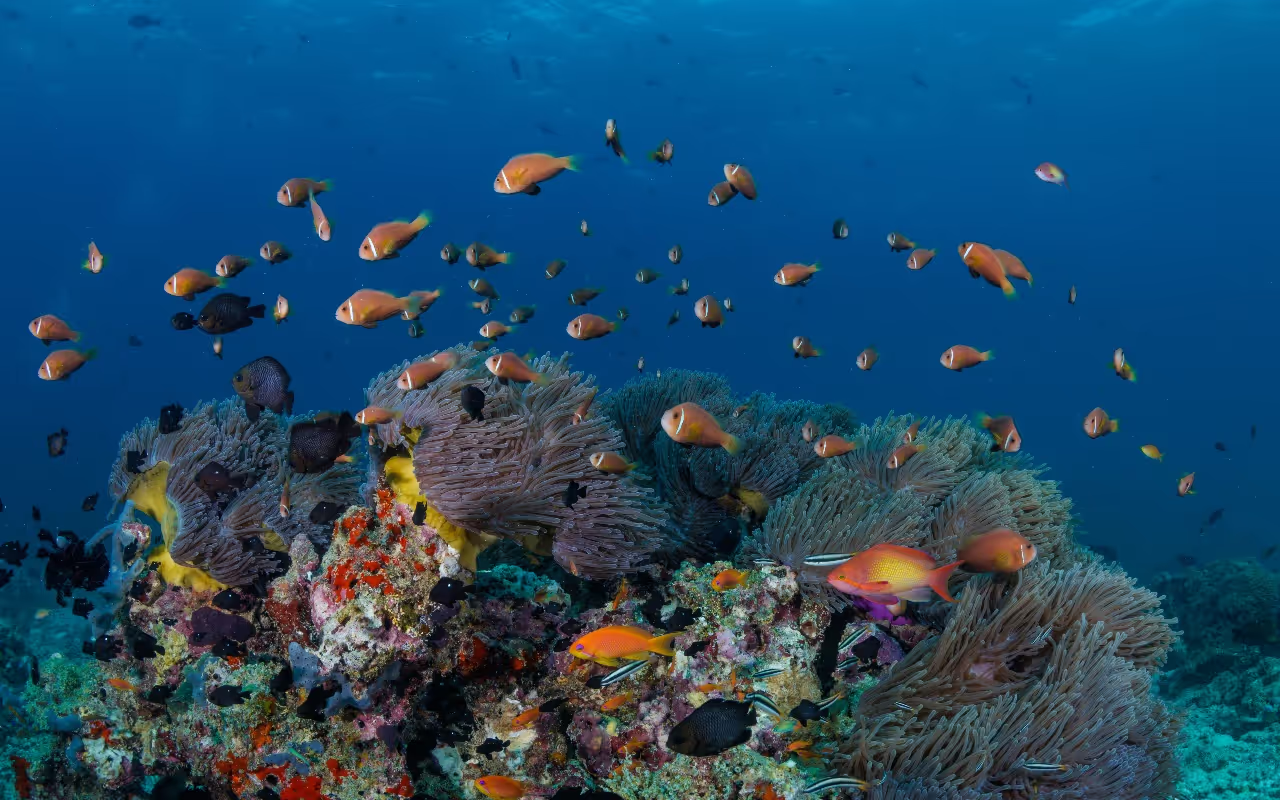
The Maldives is defined by its reefs, lagoons, and vibrant marine life — and protecting these environments is at the heart of our sustainability journey. From coral restoration programmes across multiple resorts to manta and turtle monitoring and guest-friendly awareness sessions, our environmental work focuses on regeneration, protection, and education. These efforts help ensure that the natural world we depend on continues to thrive for generations to come.
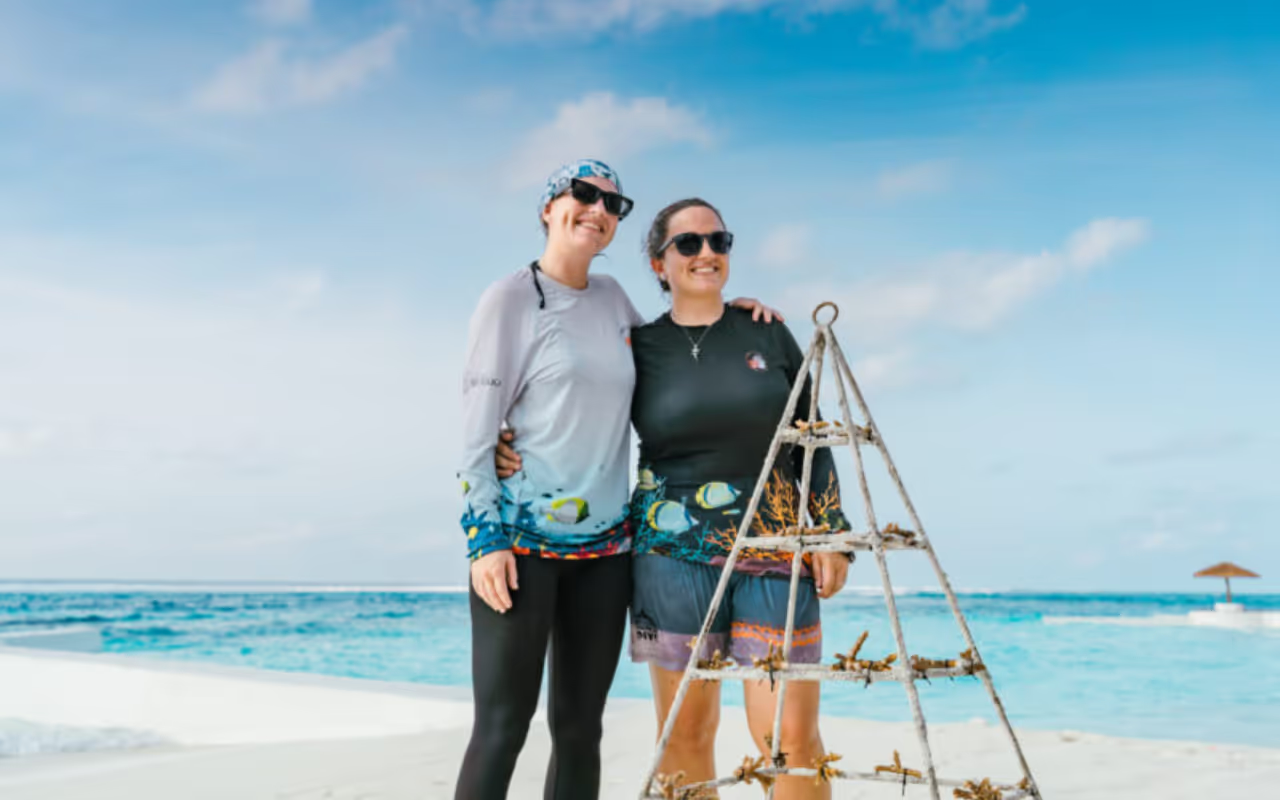
Our marine teams lead coral-nursery and propagation programmes at several resorts, working to restore reef structures, improve biodiversity, and strengthen ecosystem resilience. These nurseries support coral fragments as they mature and are later transplanted to degraded reef areas.
The following data highlights the scope and reach of our coral propagation initiatives:
Coral frames planted (2025)
Coral fragments propagated
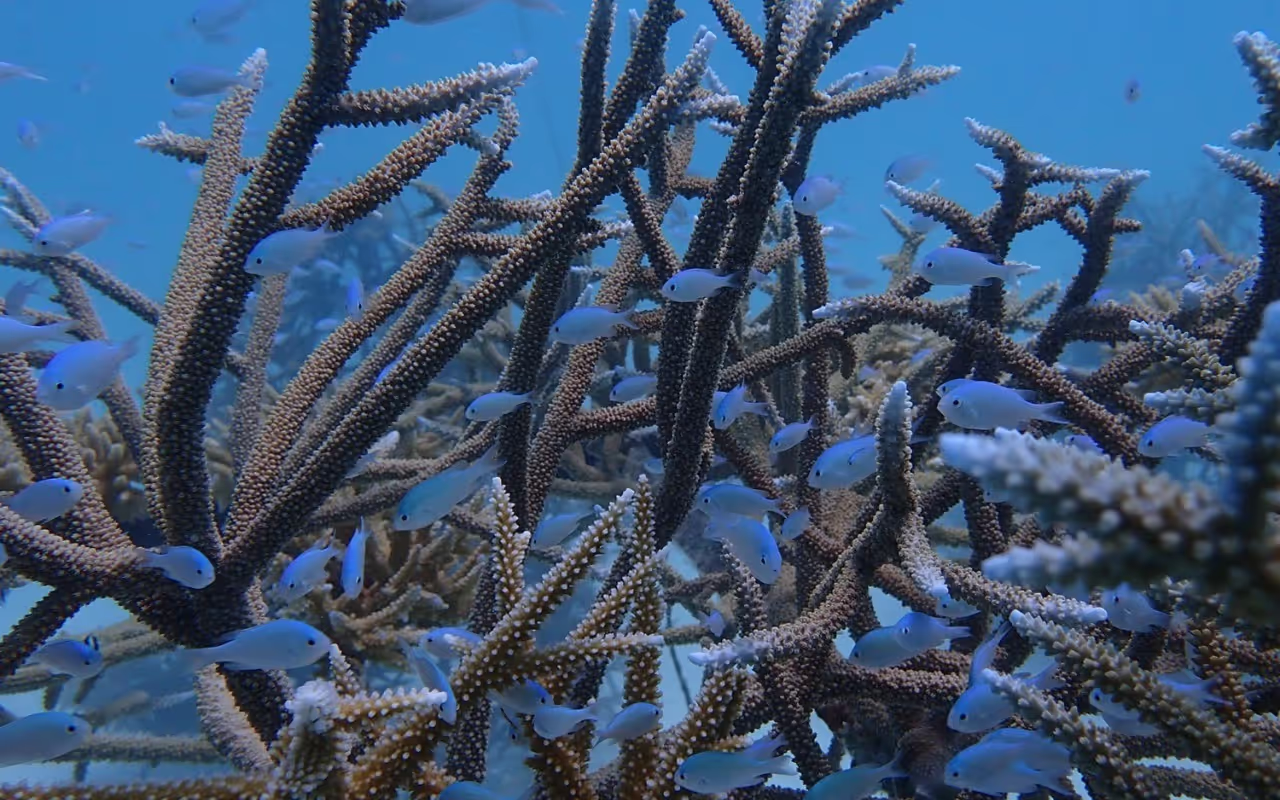
Healthy oceans depend on the stability of species that live in them. Our resident marine biologists conduct routine monitoring of turtles, mantas, reef sharks, fish communities, and coral health indicators, contributing valuable data to broader conservation efforts in the Maldives.
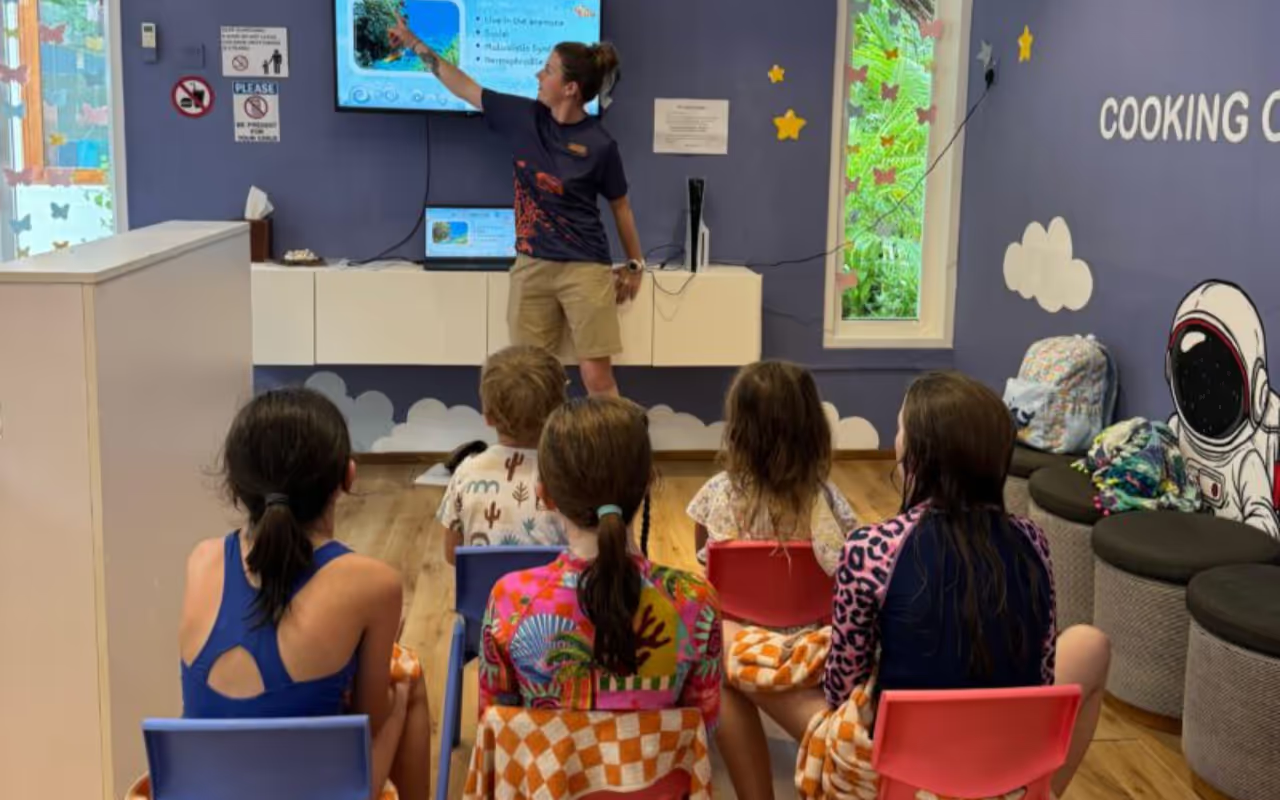
Conservation grows stronger with understanding. Through interactive sessions, guided snorkels, island walks, and marine-biology briefings, our guests learn about reefs, endangered species, and the importance of preserving Maldivian marine ecosystems.
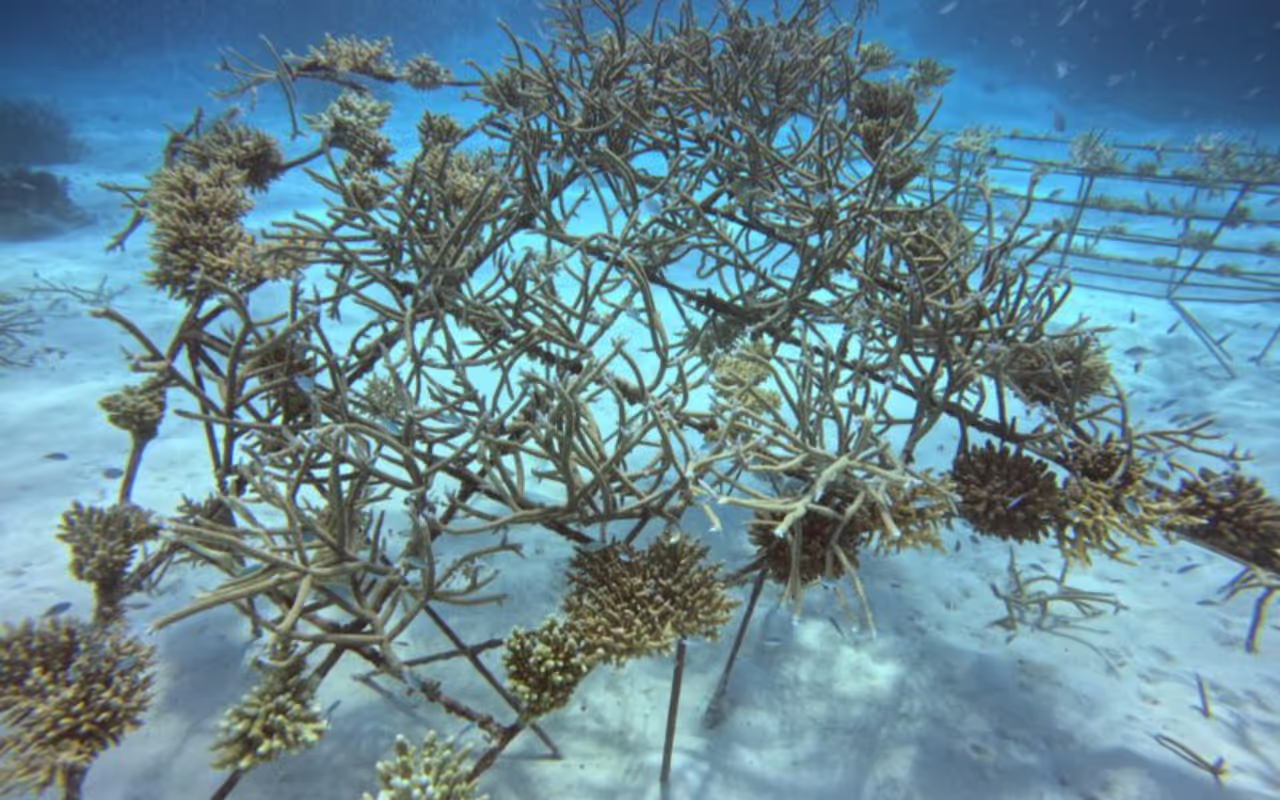
Some resort areas serve as quiet recovery spaces for marine life. By reducing disturbances, planting coral frames in key zones, and protecting seagrass beds, we help maintain habitats that are essential for shelter, feeding, and regeneration.
Water clarity, temperature patterns, and coral health are monitored regularly to track changes and respond early to stress events. These practices support long-term reef resilience and help marine teams make informed conservation decisions.
