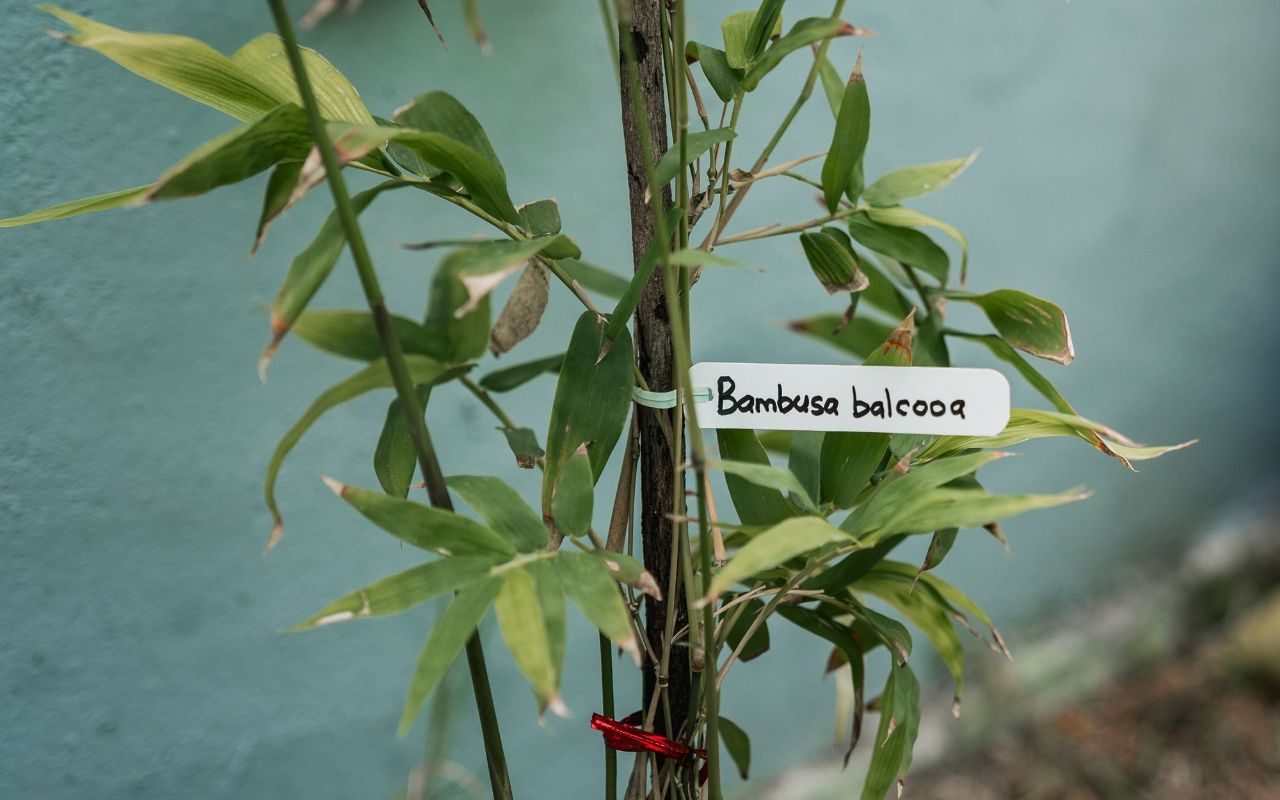
Under Atmosphere Foundation’s flagship project, 3,722 clumping bamboo plants have now been established across 45 locations throughout the Maldives. Of these, 86% are Bambusa balcooa, a high-performance clumping species selected for its environmental, structural, and long-term community value.
This milestone marks a significant step in advancing nature-based climate solutions across island ecosystems.
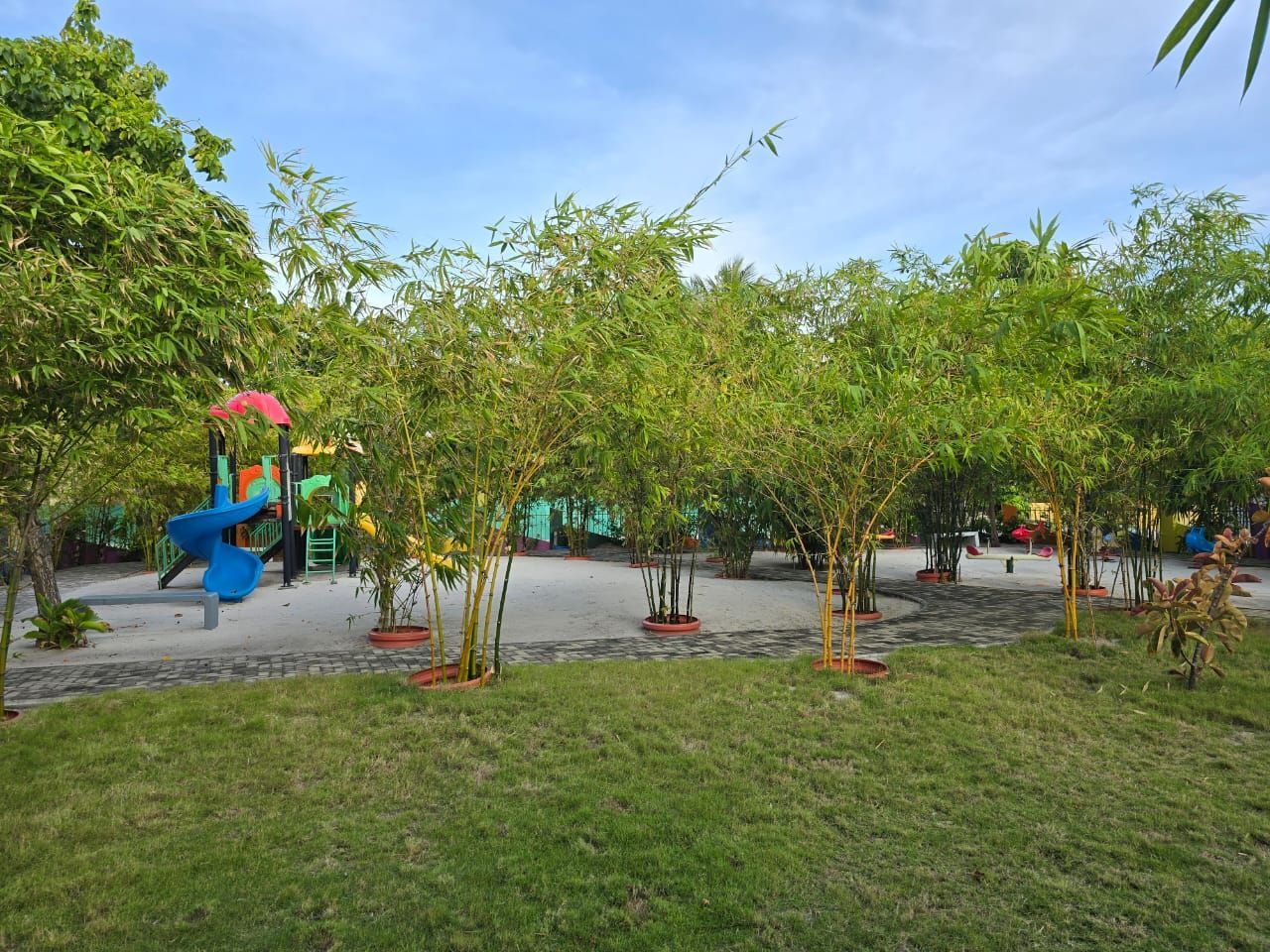
At the heart of the initiative is Vaikaradhoo Bamboo Park, which serves as one of the project’s main centres. The park functions as a living demonstration site that showcases how bamboo can be cultivated, managed, and integrated into island landscapes.
Vaikaradhoo Bamboo Park represents a model for regenerative land use. It supports community awareness, while demonstrating the viability of bamboo as a climate-resilient material for the Maldives.
As the bamboo matures, the park is expected to play a central role in knowledge-sharing, propagation, and future scaling of the project across additional islands.
High Carbon Absorption
Bamboo absorbs more carbon dioxide from the atmosphere than many other plant species, helping to reduce greenhouse gases.
Greater Oxygen Release
It releases approximately 35% more oxygen into the atmosphere compared to most other plants, contributing to improved air quality.
Carbon Storage in Biomass
Bamboo stores carbon within its strong culms (stems), which can be sustainably harvested and used for eco-friendly construction and handicrafts.
Highly Regenerative Plant
Bamboo regenerates naturally after harvesting without the need for replanting, making it a sustainable resource.
Rapid Growth Rate
It is one of the fastest-growing plants in the world, allowing for frequent harvesting and continuous supply.
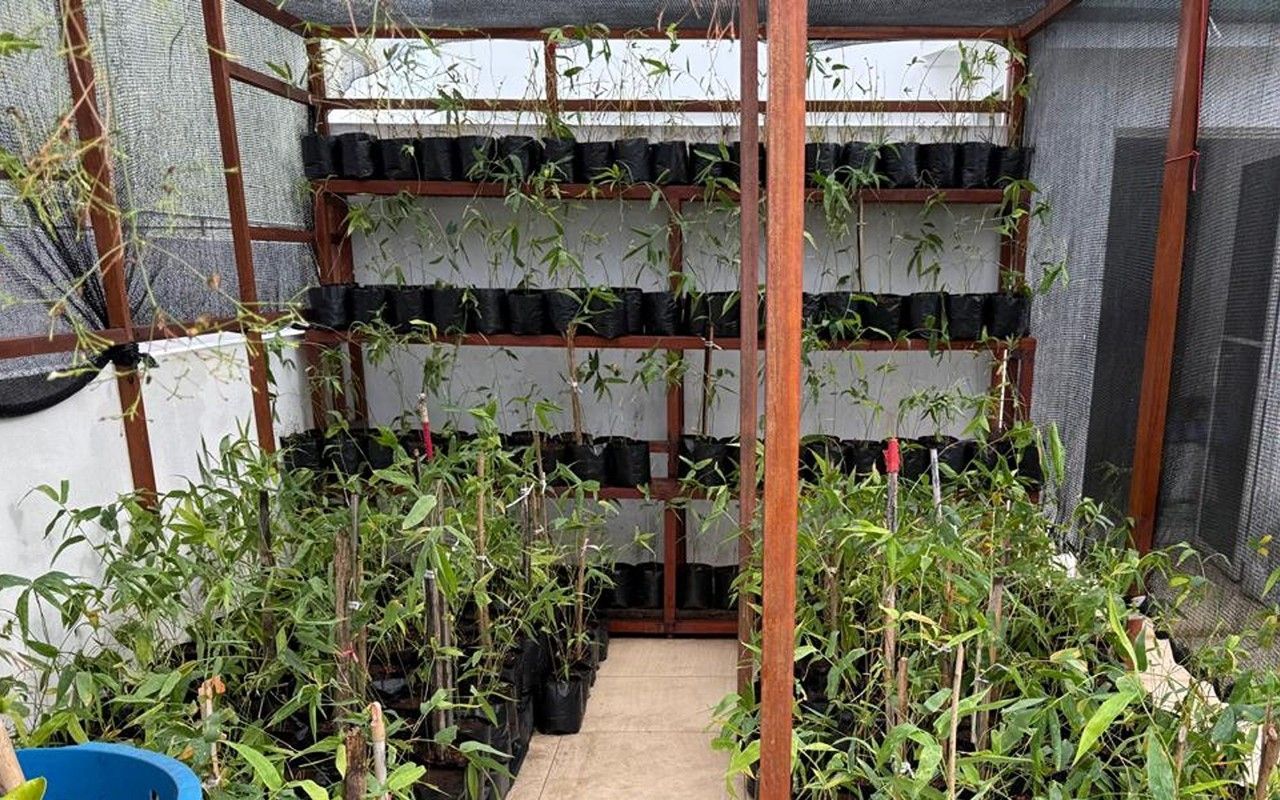
Bamboo is one of the fastest-growing plants in the world, with the capacity to absorb significant volumes of carbon dioxide while releasing oxygen at high rates. Its root network stabilises soil in vulnerable coastal areas and contributes to long-term land restoration.
For low-lying island nations like the Maldives, where erosion and climate vulnerability are pressing realities, bamboo provides a scalable and regenerative response.
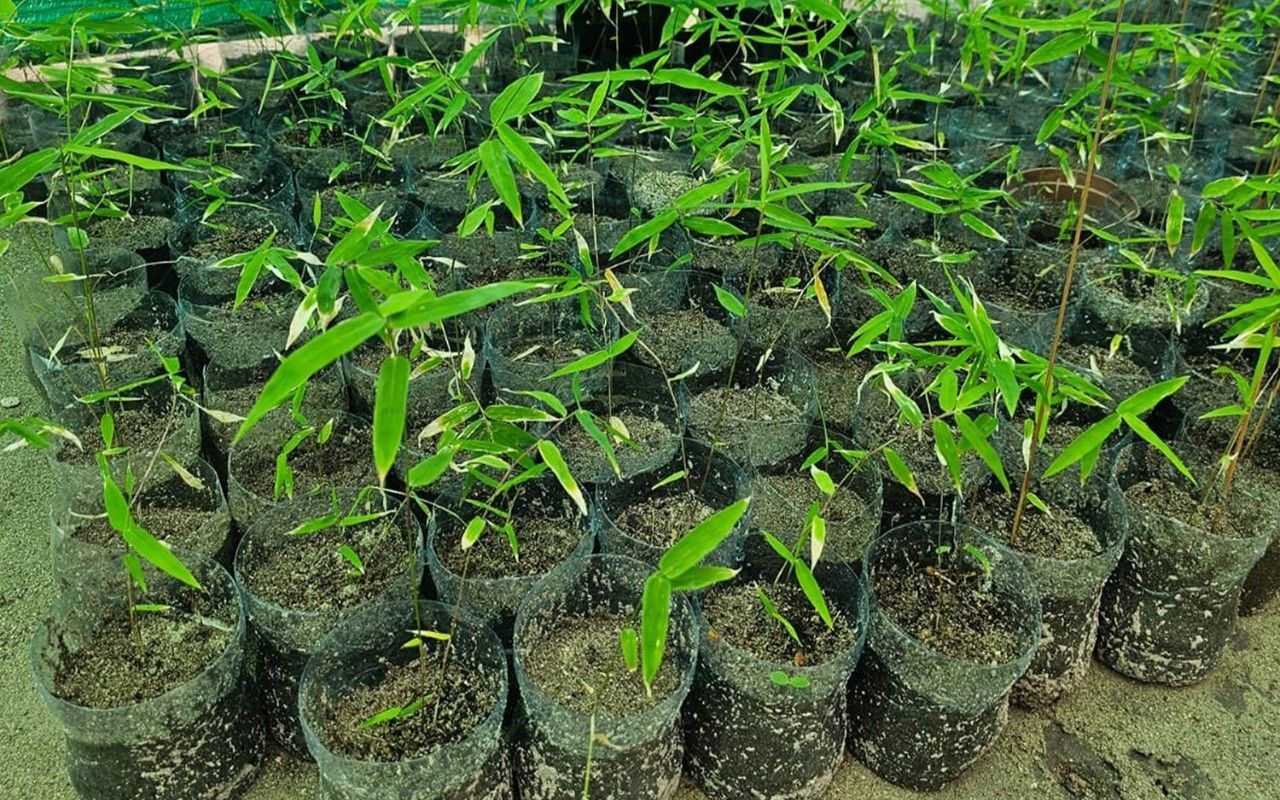
The 3,722 plants have been distributed across 47 sites nationwide, including schools, community islands, and partner locations. This decentralised approach ensures that the environmental and economic benefits of the initiative are shared widely rather than concentrated in a single location.
By embedding bamboo cultivation within communities, the project strengthens local stewardship and builds long-term environmental awareness.
